
Interesting facts about Knysna are often hidden behind the views visitors already know: the lagoon, The Heads, the forests, a good coffee, a long lunch, and perhaps oysters if they are on the menu.
But Knysna has many smaller stories too. Some are found in the water. Others sit quietly in the forest, in old local traditions, or in the way the town has changed over time.
Here are a few things you may not know about Knysna before your next visit.
The lagoon is really an estuary

Everyone calls it the Knysna Lagoon. We do too, most of the time.
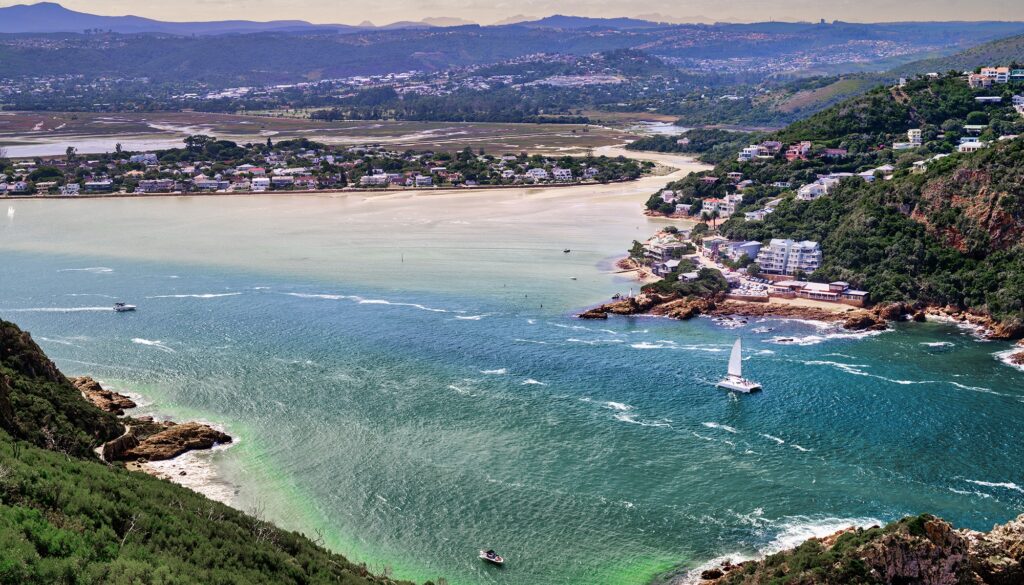
Technically, though, it is an estuary. This means it is a place where river water and seawater meet. The tide also changes the mood of the water throughout the day.
According to Visit Knysna, the estuary covers about 1,633 hectares. It stretches from The Heads to the Charlesford Weir on the Knysna River. At its widest, it is around 3 km across. At The Heads, however, it narrows dramatically.
That is why the water can look so different from one part of the day to the next. Sometimes it is glassy and full. Sometimes the sandbanks show. At other times, the current is stronger than it looks.
For guests staying beside the water, the tide becomes part of the day.
The Heads are more than a viewpoint
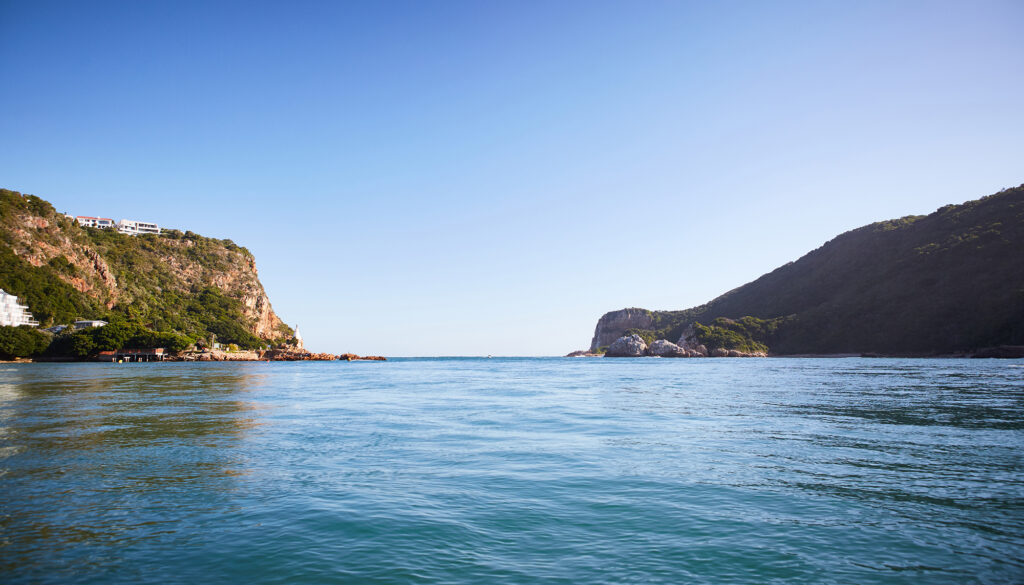
The Knysna Heads are one of the town’s most photographed places, and for good reason. From the top, the view is hard to beat: the estuary, Leisure Isle, the channel, the ocean beyond.
But The Heads are not only a pretty lookout point. They form the mouth of the Knysna River Estuary, where the water passes between two rocky headlands before reaching the Indian Ocean. Visit Knysna notes that at The Heads, the estuary narrows to around 230 metres.
That narrow opening is part of what makes Knysna so distinctive. It is also why locals speak about sea conditions with respect. The water at The Heads can be beautiful, but it is not something to take lightly.
For a gentler experience, the viewpoints are the best place to start. Take a jacket if the wind is up.
Knysna has its own seahorse
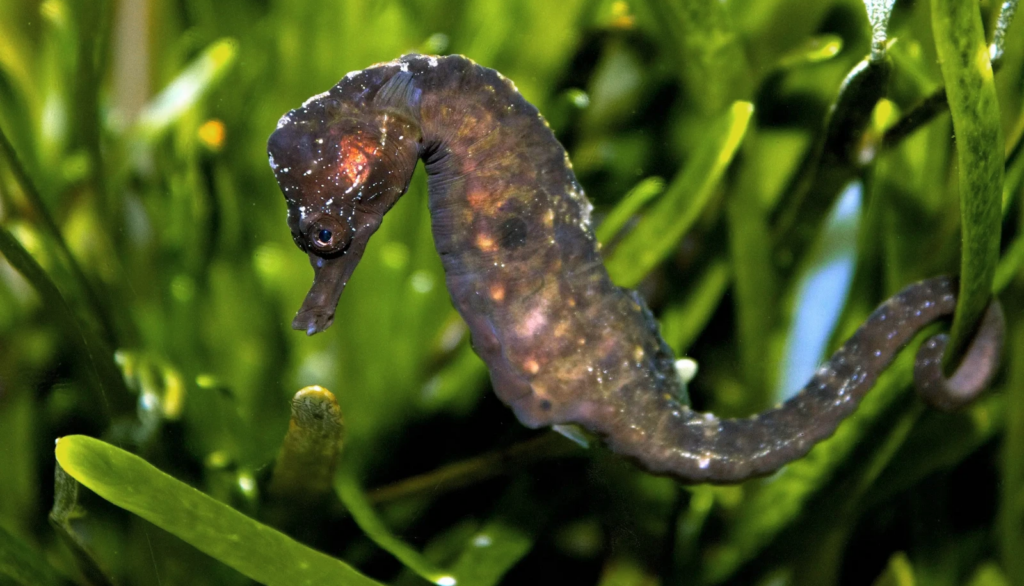
The Knysna seahorse is one of the town’s small wonders.
It is not the kind of creature most visitors will see during an ordinary holiday. It is delicate, protected and closely tied to the health of the estuary. SANBI notes that the species is found in only three estuaries along the Southern Cape coast: Knysna, Swartvlei and Keurbooms.
It is a reminder that the estuary is not just scenery. It is a living system. The seagrass, the shallows, the tides and the quieter corners of the water all matter.
So while the Knysna seahorse may not be something you spot from the shore, it is worth knowing it is there.
The forests are older than the town

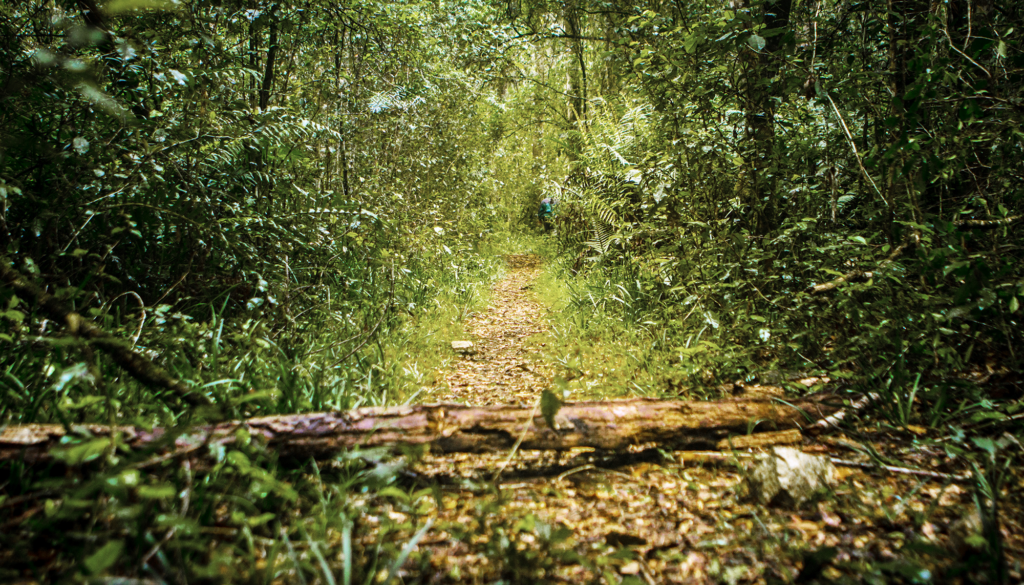
Knysna’s forests are not just a backdrop for scenic drives and weekend walks. They are a large part of the town’s story.
The Knysna Forest is home to giant Outeniqua yellowwoods, some believed to be almost a thousand years old. The Woodville Big Tree, also in the Garden Route National Park area, is believed to be more than 800 years old. That kind of age is difficult to comprehend.
The forests also carry the history of timber, woodcutters, conservation and the stories made famous by Dalene Matthee. A forest walk in Knysna is never only about fresh air. There is always a little more behind it.
The oyster story has changed

Knysna is still closely associated with oysters. The festival, the restaurants, the name itself – it is part of the town’s identity.
But the oyster story is more complicated than many visitors realise. Knysna has a history of oyster farming, but commercial oyster farming in the lagoon is now part of the past, with local reporting noting that permits were not renewed and the farms closed.
That does not mean oysters have disappeared from Knysna menus. It simply means the story behind them has changed. Today, the oysters served in town may come from elsewhere along the South African coast, while Knysna’s own oyster history remains part of the local identity.
If oysters are on the menu, it is always worth asking where they are from and what the restaurant recommends that day.
The elephants are real, but not an attraction
The Knysna elephants are often spoken about in half-mythical terms, and it is easy to understand why. A forest elephant is not something most people expect to associate with this part of the Garden Route.
But the story is real, even if sightings are not part of a visitor experience. SANParks confirmed the presence of a wild female elephant remaining in the Knysna forest and has continued with evidence-based assessments to guide conservation management.
For visitors, the important point is this: the forest should be treated with respect. The elephants are not a tourist attraction to be searched for. They are part of a much bigger conservation story, and one that belongs mostly to the forest itself.
Knysna rewards people who pay attention
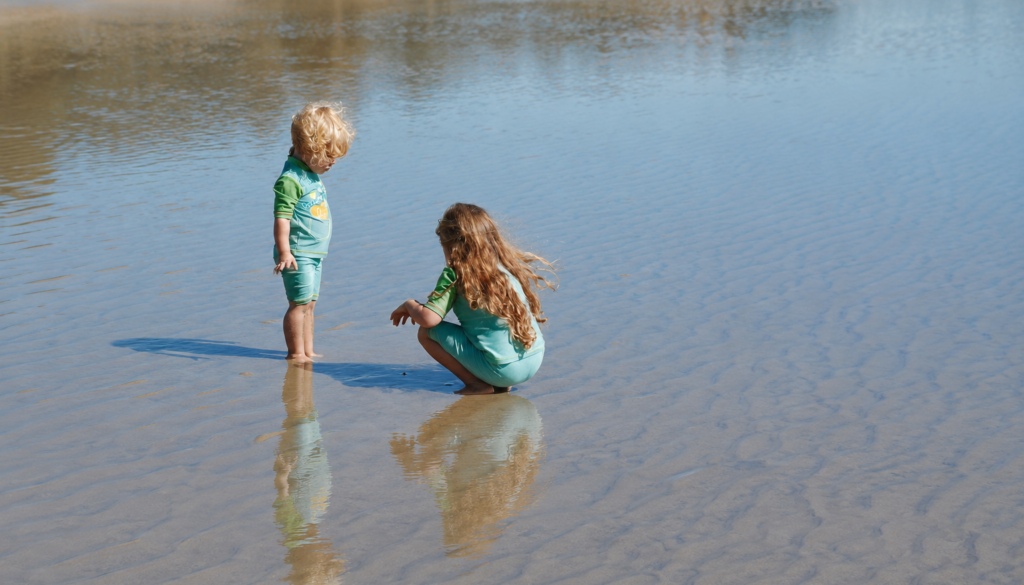
Some places give you everything at once. Knysna has more to it than you first see.
The tide changing below the deck. The wind moving through The Heads. The way the forest feels cooler as soon as you step under the trees. The small protected seahorse most people will never see. The oyster story behind the festival. The long memory of timber, water and people who have made their lives here.
For guests staying at The Milkwood Collection, many of these details are close by. The Heads are just up the road, the lagoon is part of the everyday setting at our waterside properties, and the wider town is easy to explore when you feel like heading out.
Knysna is beautiful, yes. But it is also full of small stories, and that is what makes it worth coming back to.